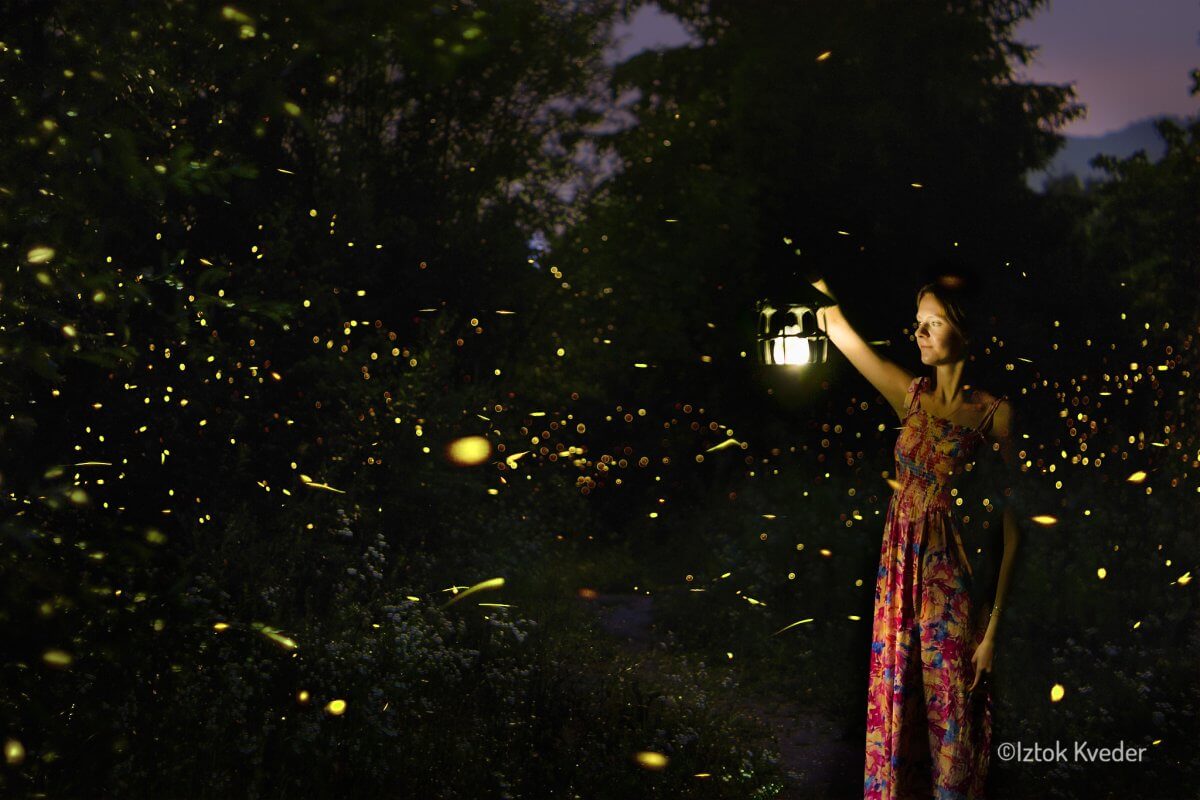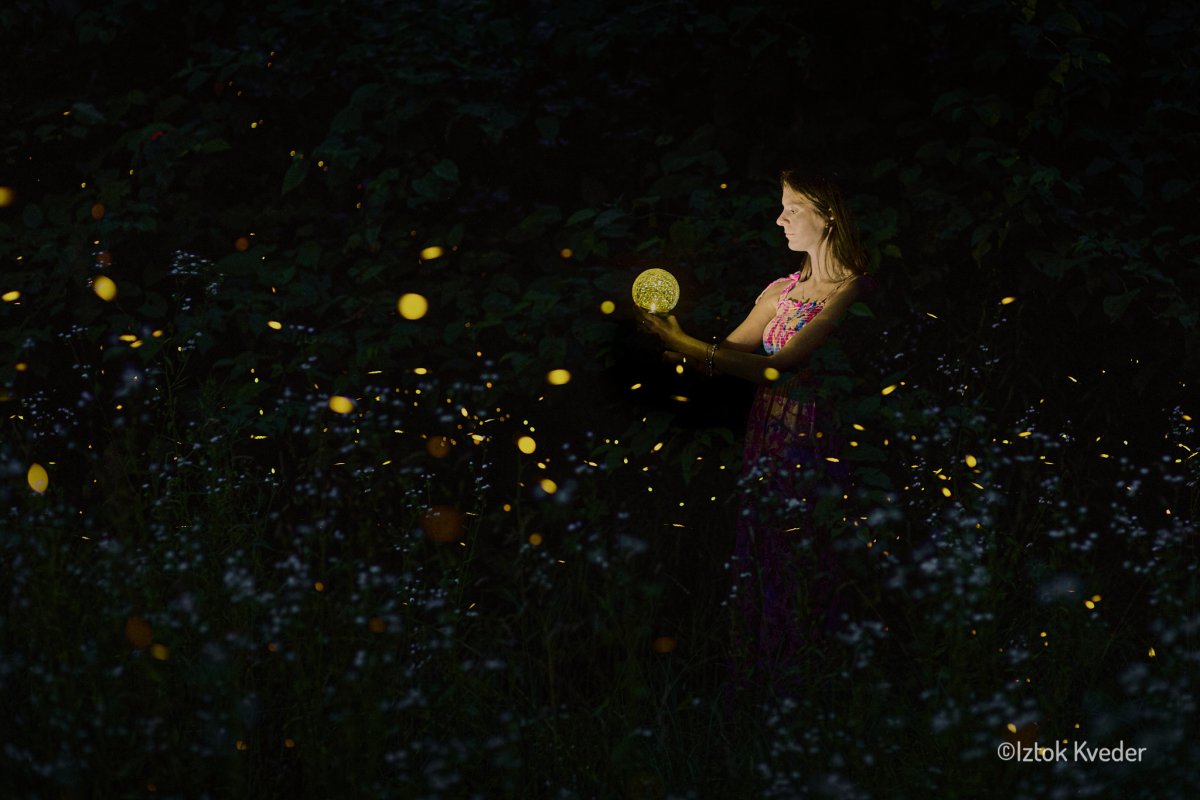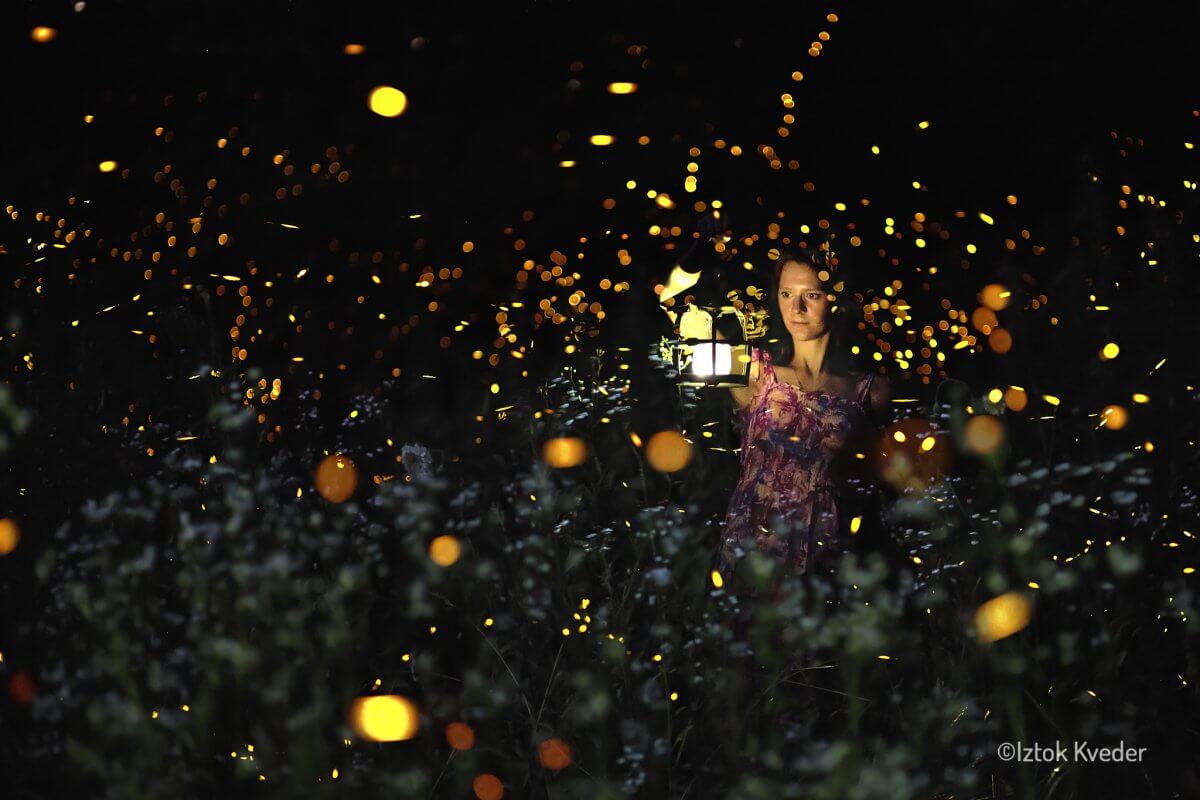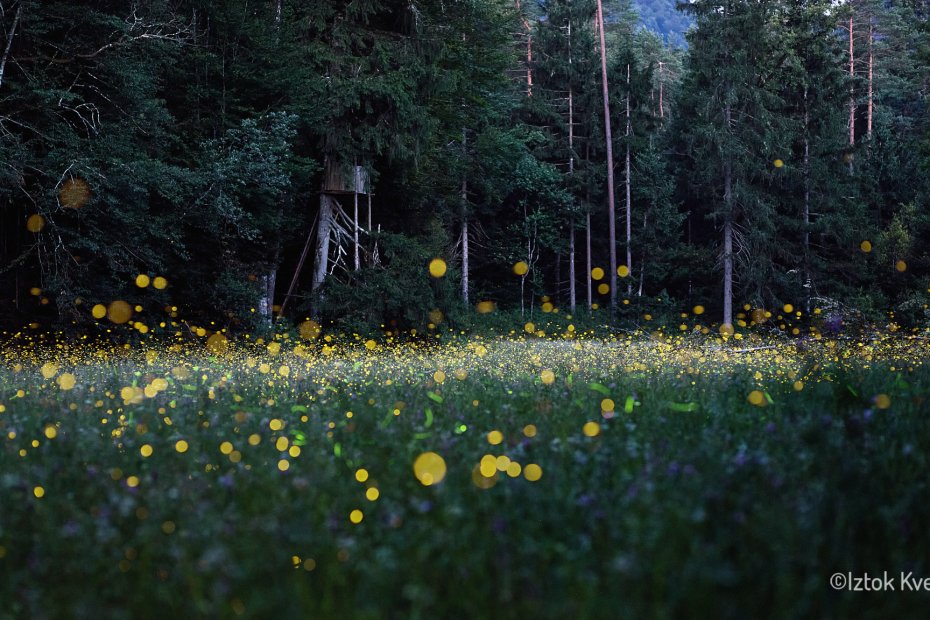
Four Nights, Two Locations and New Lessons
A year ago, I published my first story about photographing fireflies. It was the beginning of a journey that combined my passion for wildlife, astrophotography, and long-exposure photography.
If you haven’t read the original article yet, you can find it here:👉 https://www.iztokkveder.com/fireflies/
Returning One Year Later
Twelve months later, I decided to revisit the project—not simply to recreate the same photographs, but to see how much I had grown as a photographer.
Over the past year, I have gained considerable experience in low-light photography, learning how to better balance exposure, ISO, aperture, and composition while working in complete darkness. Fireflies remain one of the most challenging natural subjects to photograph because no two evenings are ever the same.
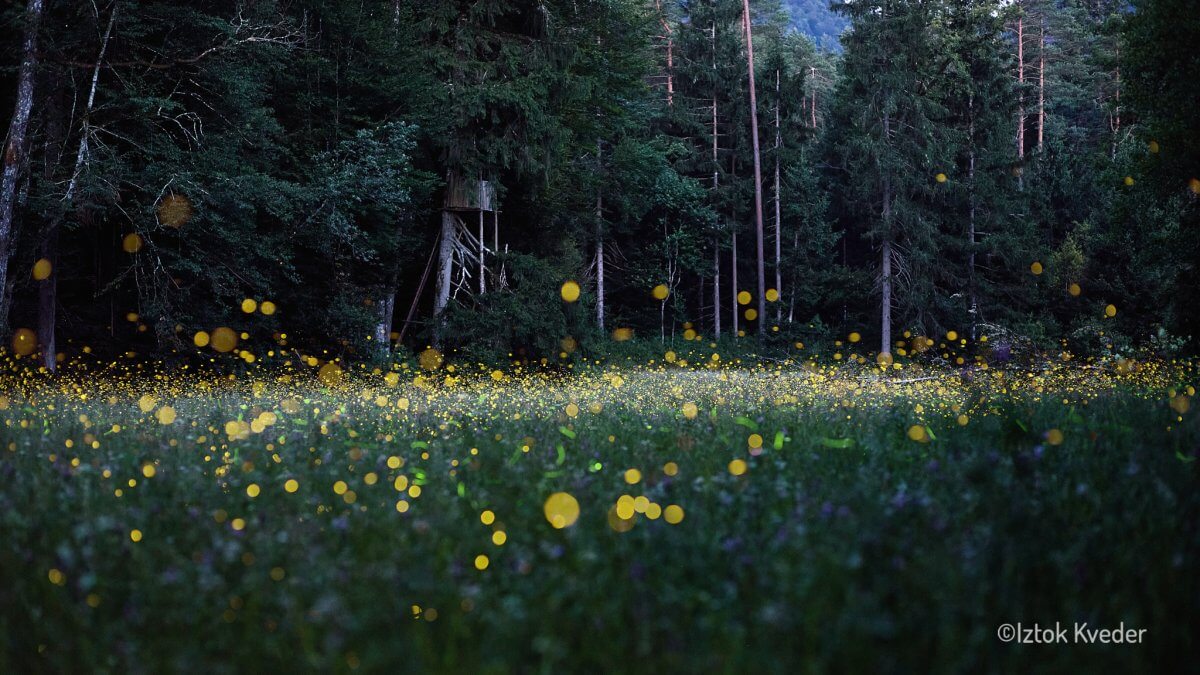
This year I spent four evenings photographing them. Two nights were dedicated to one location and another two to a completely different site.
A New Location That Took Me by Surprise
While my original location once again produced beautiful displays, the second location completely exceeded my expectations.
Despite being a public place, I have chosen not to reveal its exact location for now. Firefly habitats are surprisingly fragile, and it only takes a sudden influx of visitors to disturb an ecosystem that has taken years to establish.
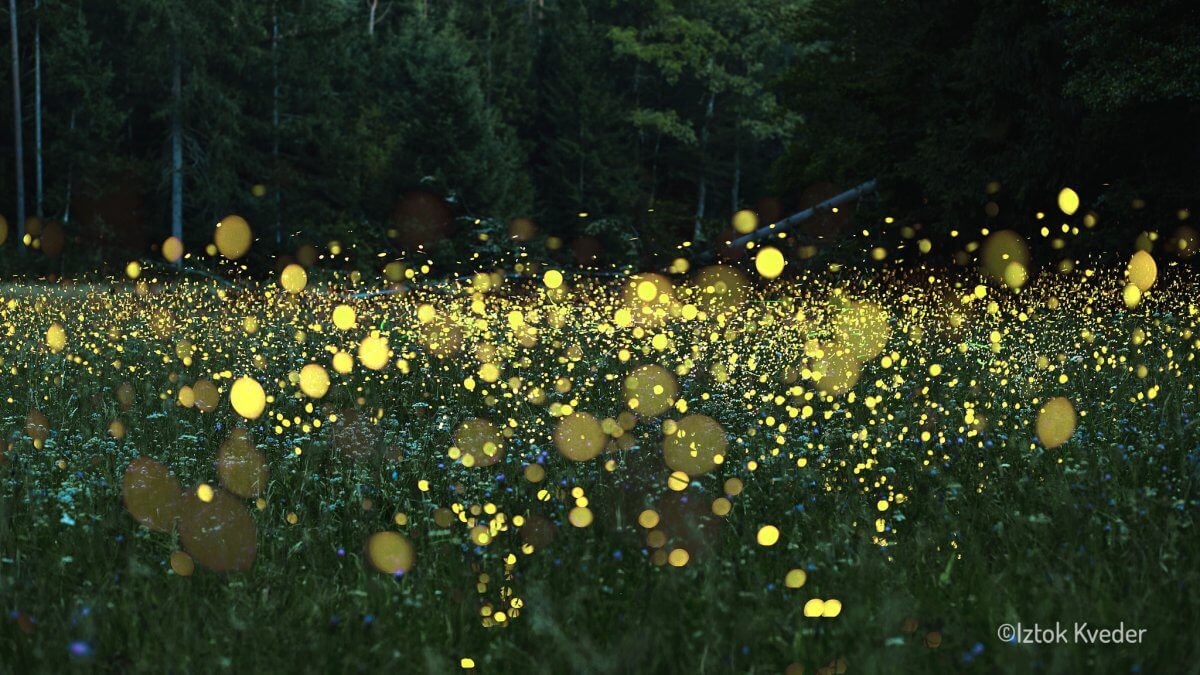
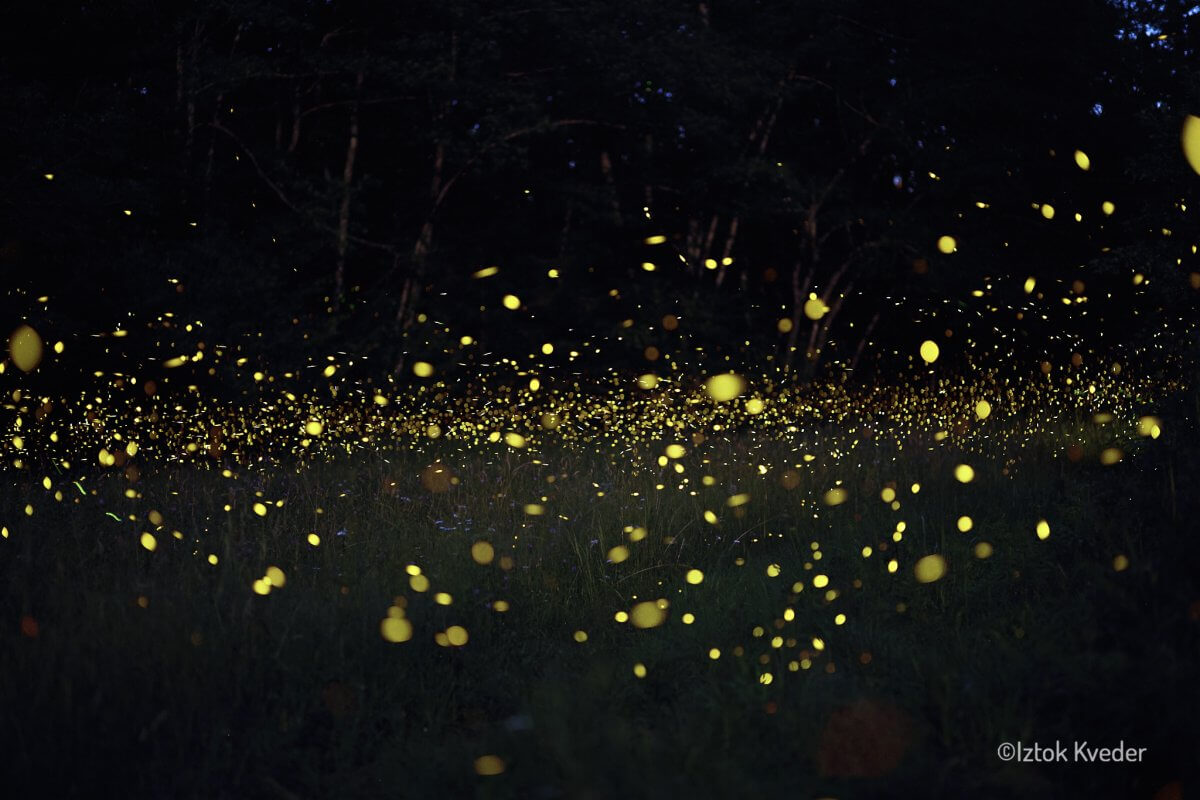
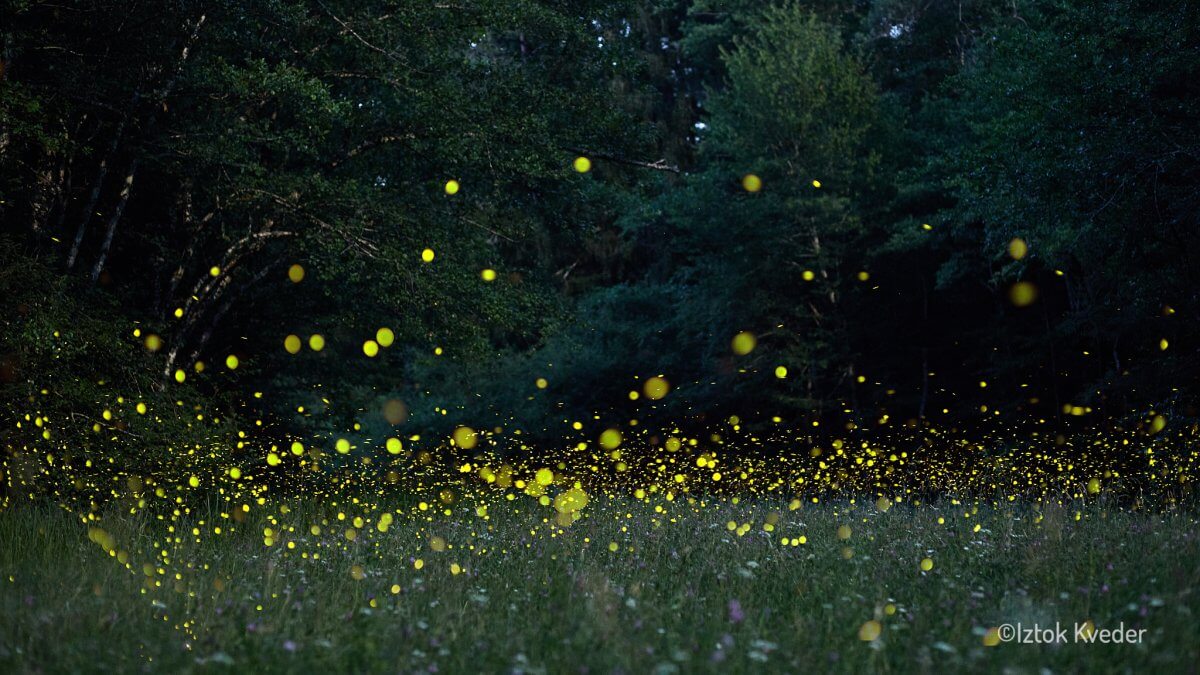
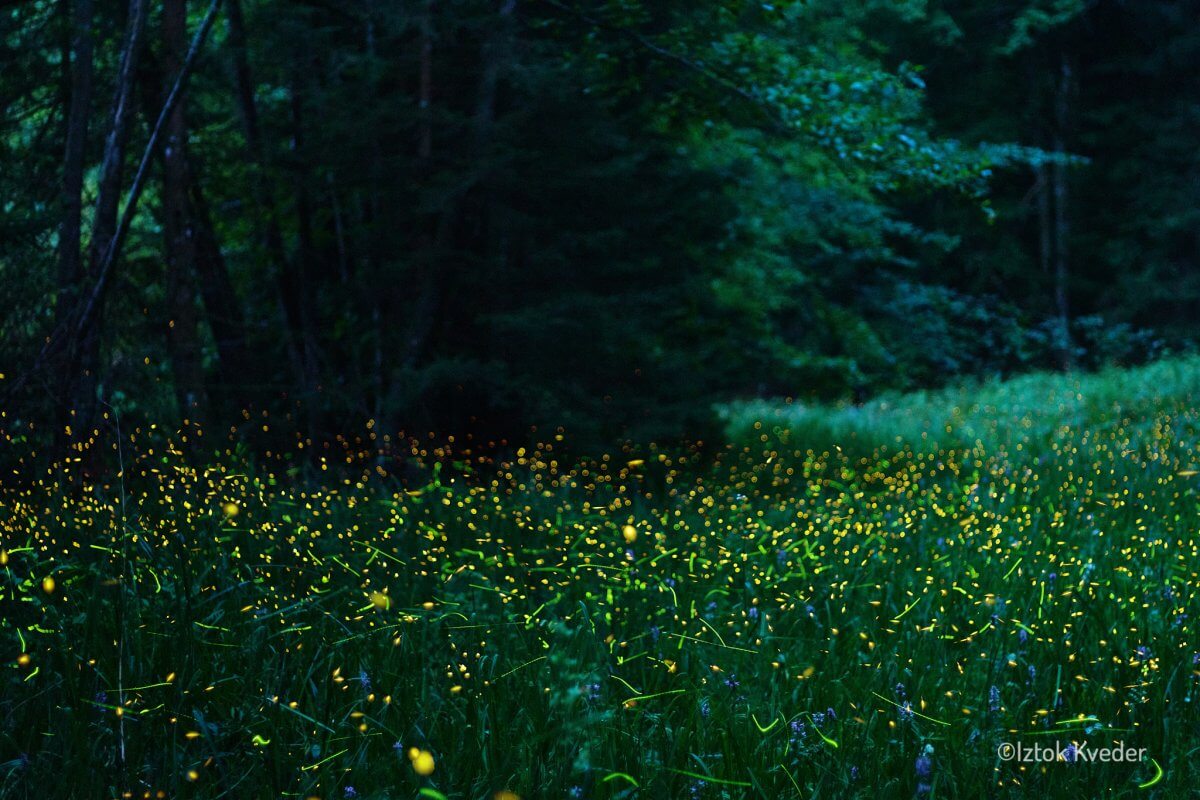
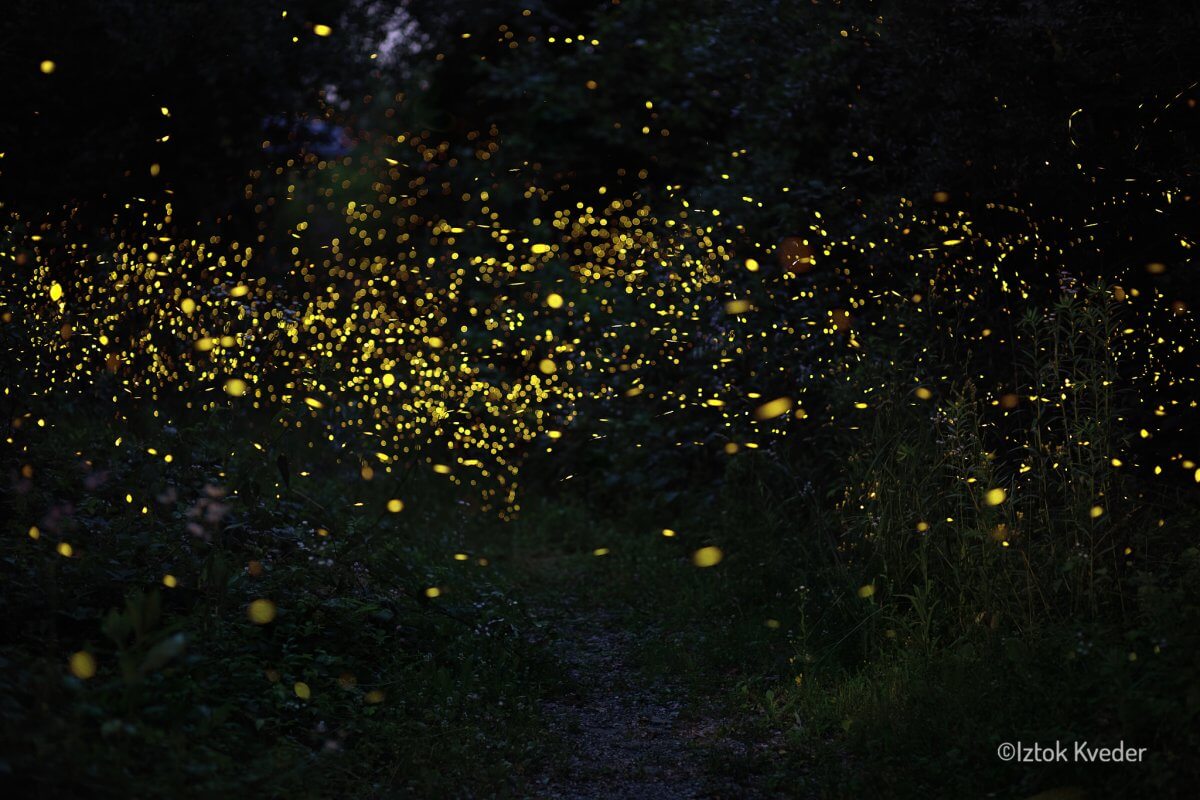
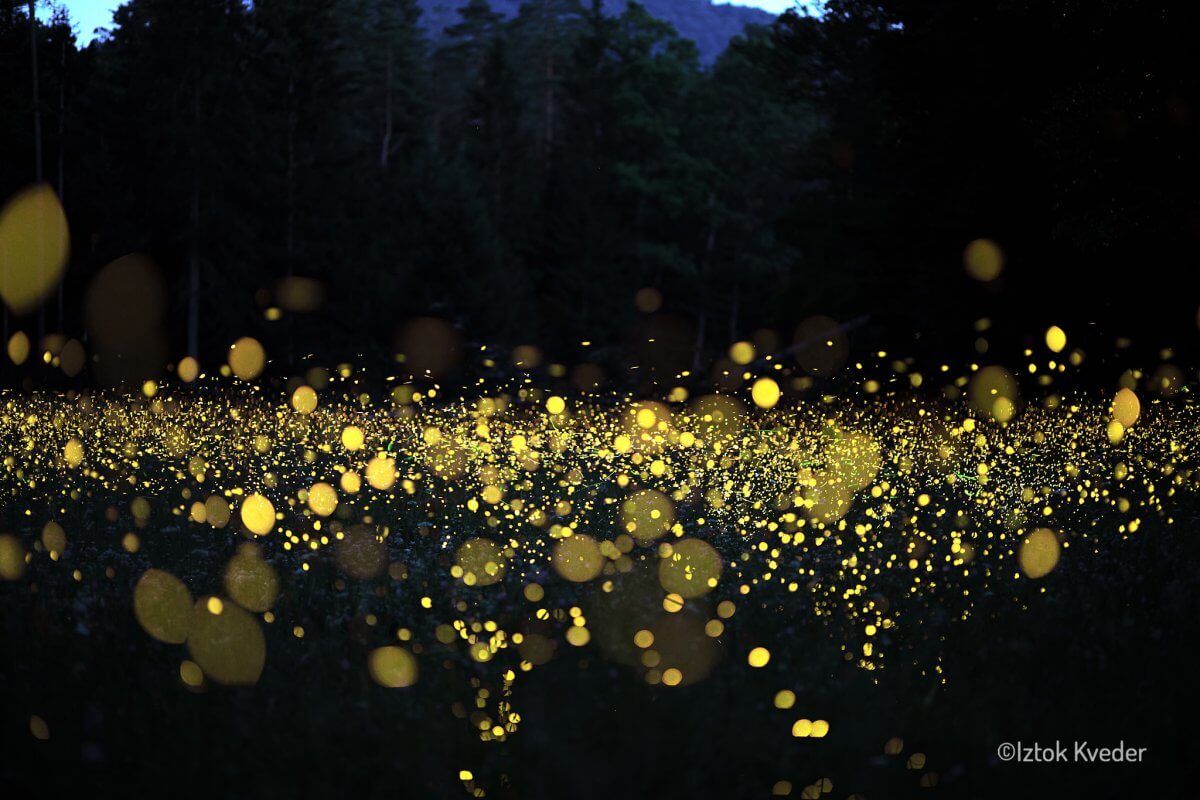
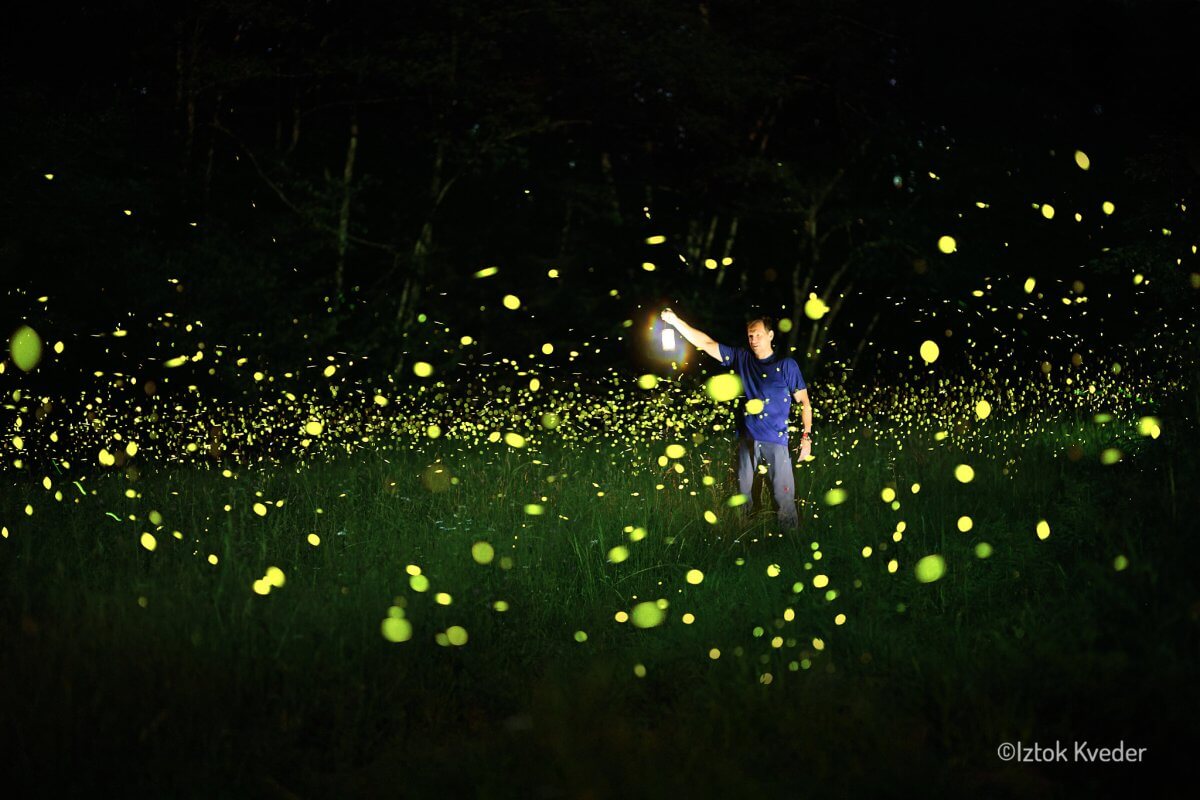
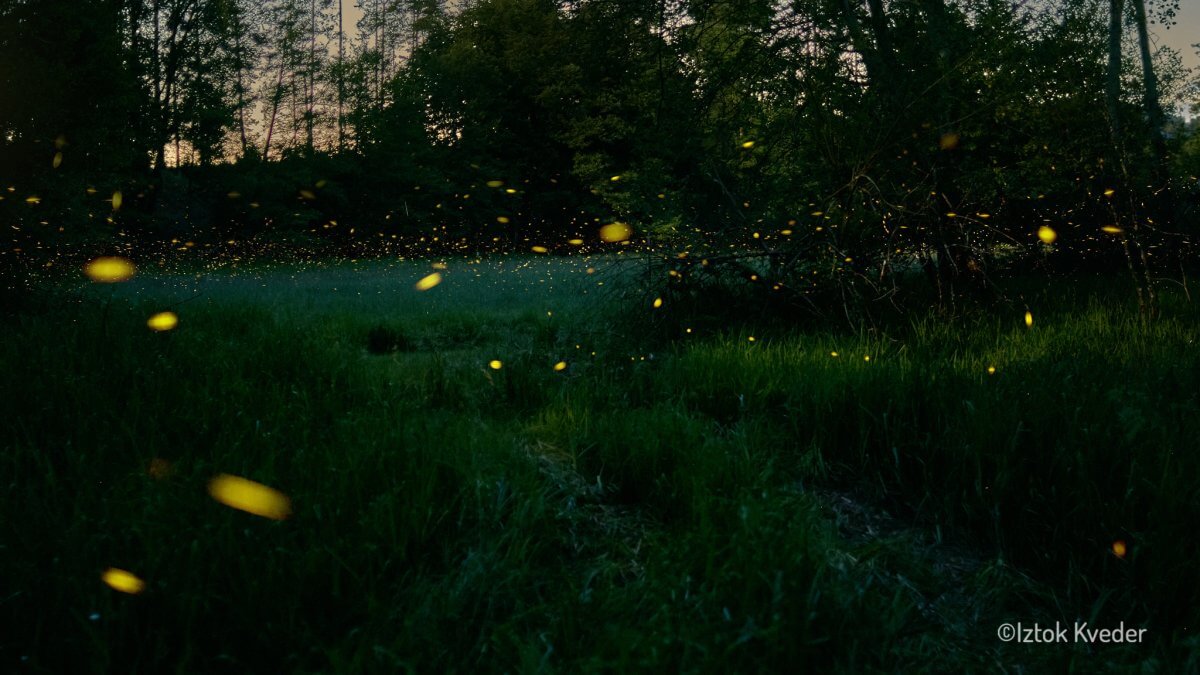
What surprised me most was not only the number of fireflies but also the density of their display. For long periods the surrounding meadows seemed to sparkle with hundreds of tiny green flashes, creating an atmosphere that is almost impossible to describe without witnessing it firsthand.
Photographing During an Extreme Heatwave
This year’s project was also shaped by something beyond photography—the exceptional heatwave currently affecting much of our region.
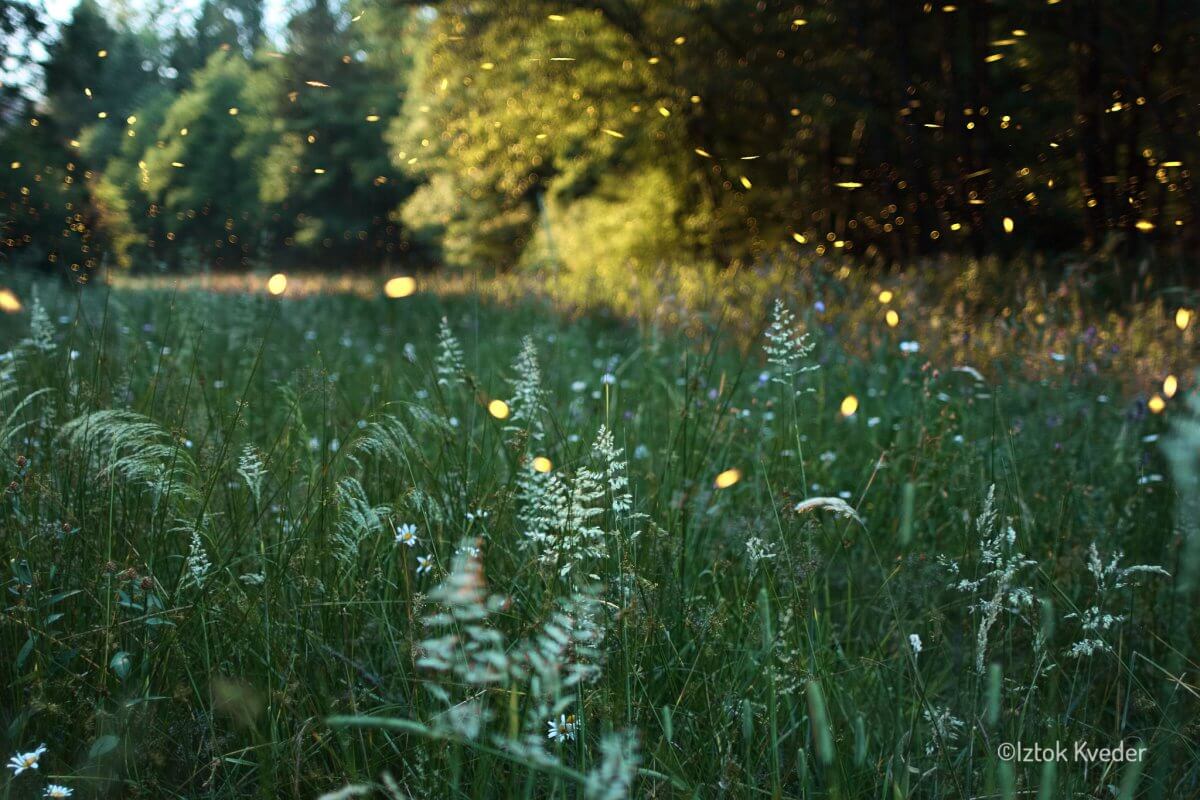
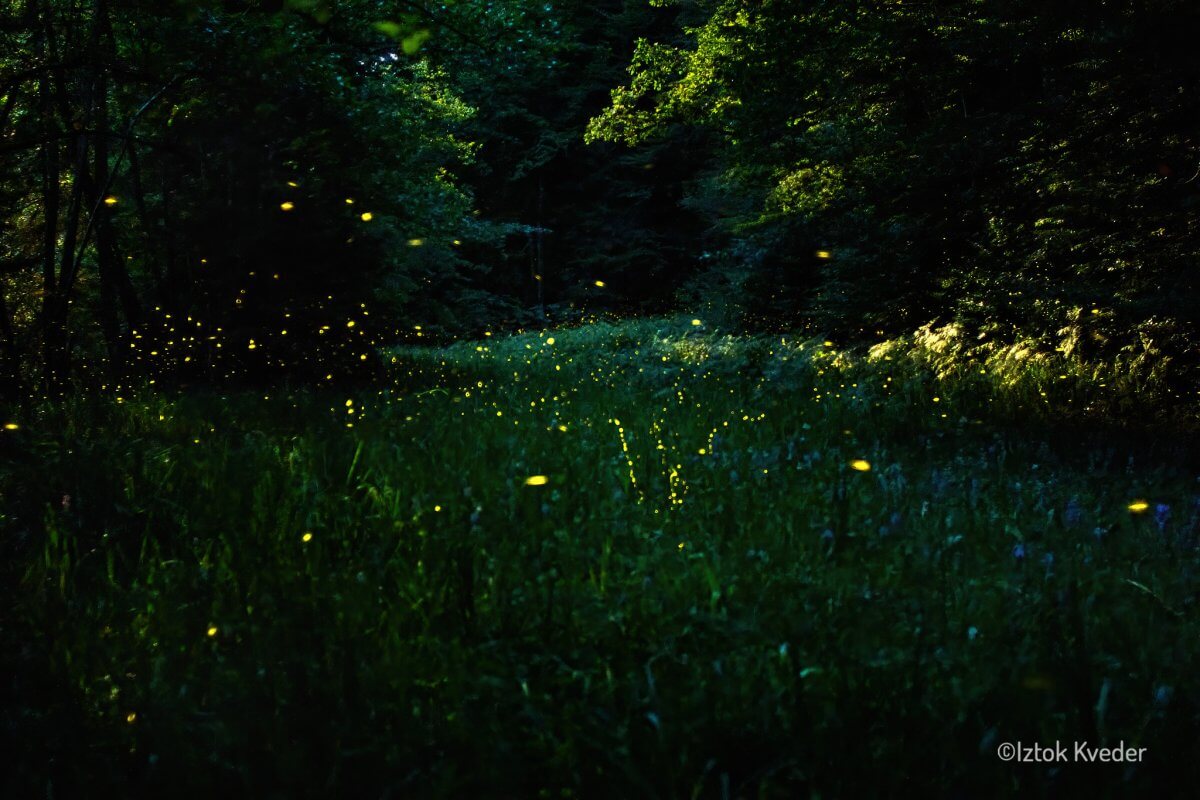
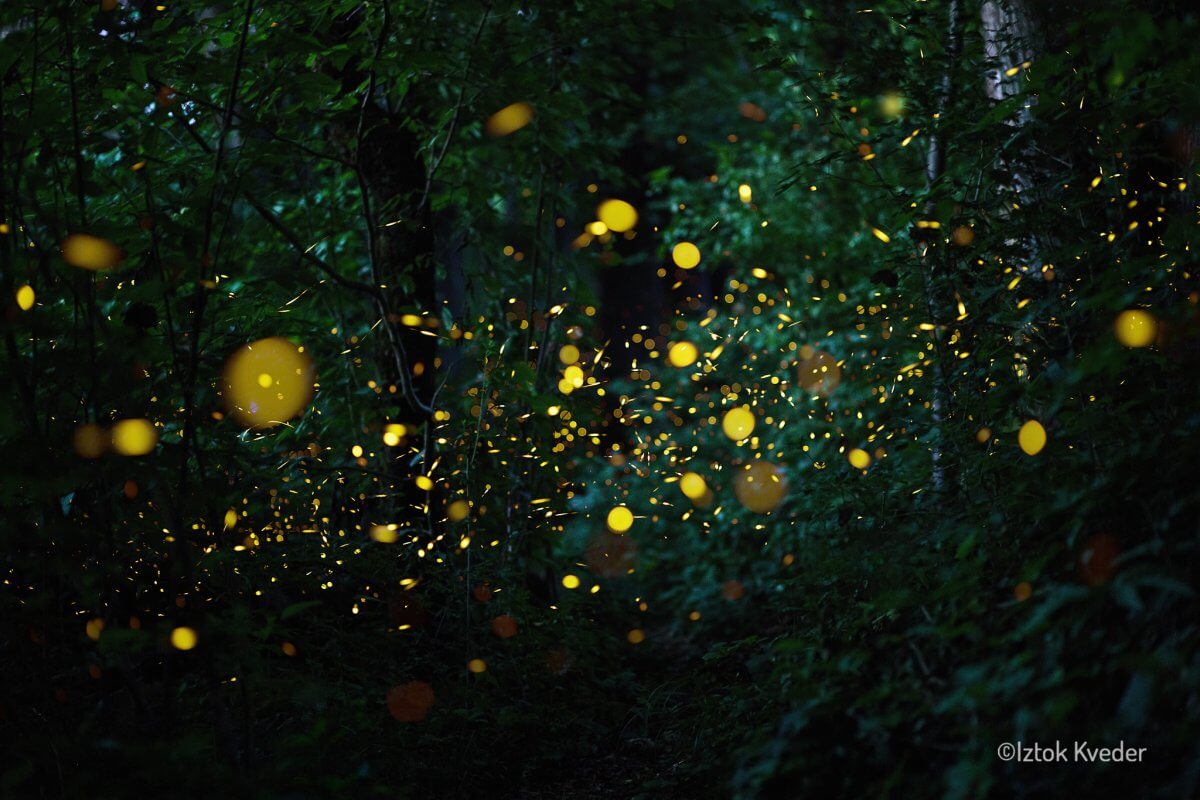
Working outside after sunset remained surprisingly warm, and every evening presented different conditions. Some nights were relatively quiet, while others suddenly came alive with countless flashes dancing above the grass.
Whether these differences were caused by temperature, humidity, wind, or other environmental factors is difficult to say with certainty. Nature rarely follows a predictable script, which is exactly what makes photographing fireflies so rewarding.
Experience Changes Everything
The biggest difference compared to last year wasn’t my camera—it was experience.
Knowing when to arrive, how to read the environment, where to position the camera, and how to adapt exposure settings made an enormous difference. Photographing fireflies requires patience far more than technical skill. Sometimes the best image comes after standing perfectly still for an hour, simply observing before pressing the shutter.
Every season teaches something new.
Protecting These Magical Places
One lesson has become increasingly important over the past year.
Beautiful locations can quickly become overcrowded once they are shared online. Fireflies depend on healthy habitats and dark environments, and even small disturbances can affect their behavior.
For that reason, I prefer to keep this latest location unnamed. Hopefully, the photographs themselves will inspire appreciation for nature rather than encourage people to chase exact GPS coordinates.
Four Evenings Worth Every Minute
Four evenings in the field, two different locations, countless mosquito bites, warm summer nights, and many hours waiting in silence.
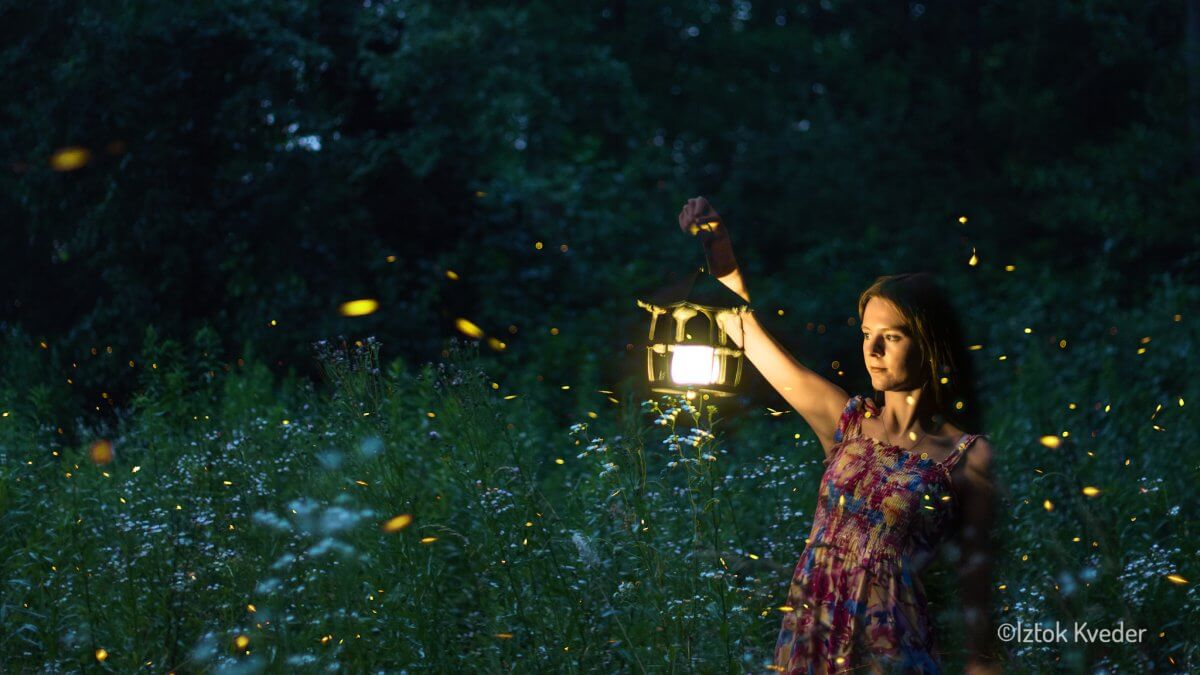
Every photograph in this collection represents a genuine moment—nothing staged, nothing artificial. Just nature performing one of its most beautiful annual spectacles.
I hope these images encourage others to spend more time outdoors after sunset. Turn off the flashlight, let your eyes adjust to the darkness, and you may discover that some of nature’s greatest wonders are also its quietest.