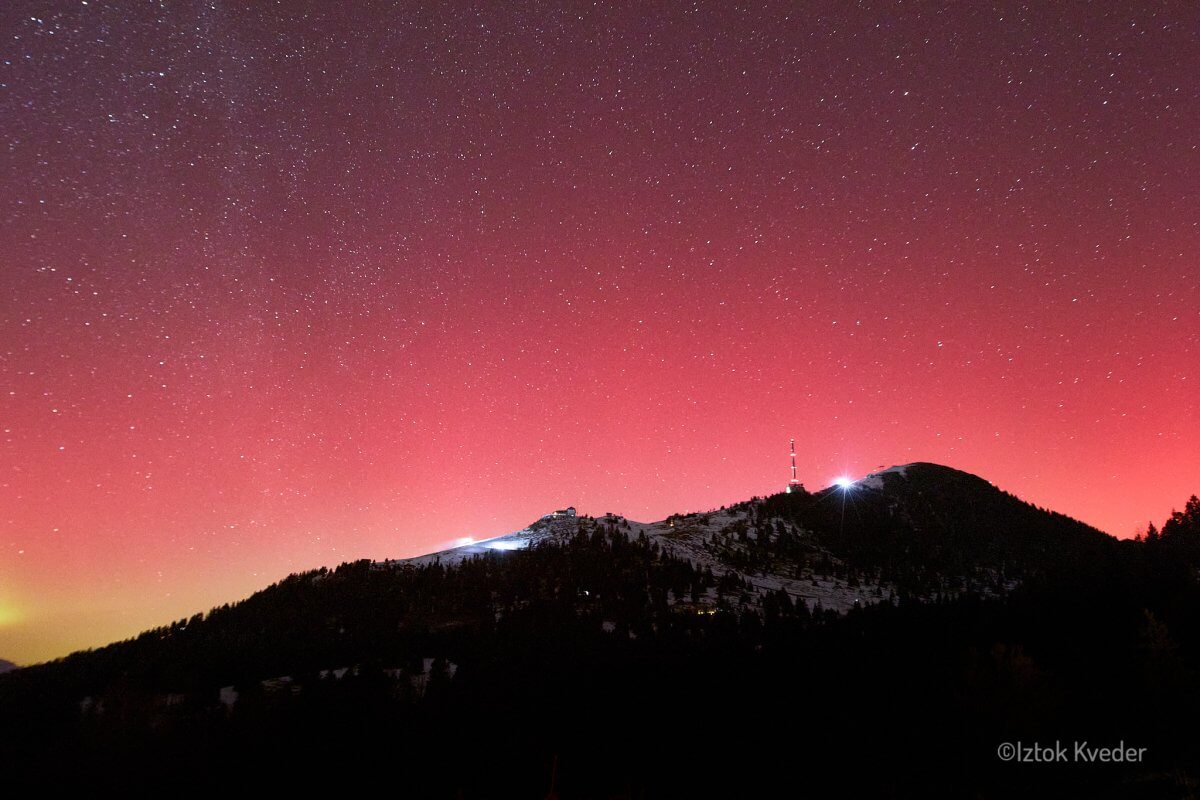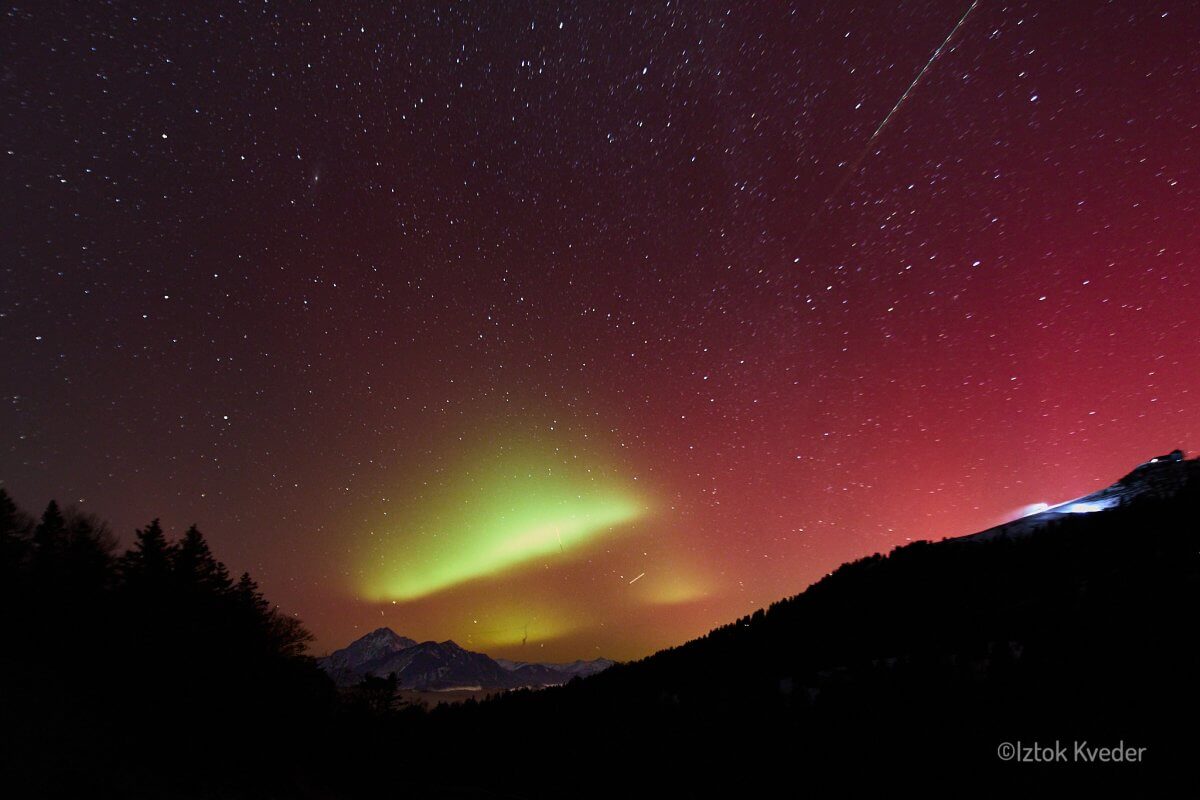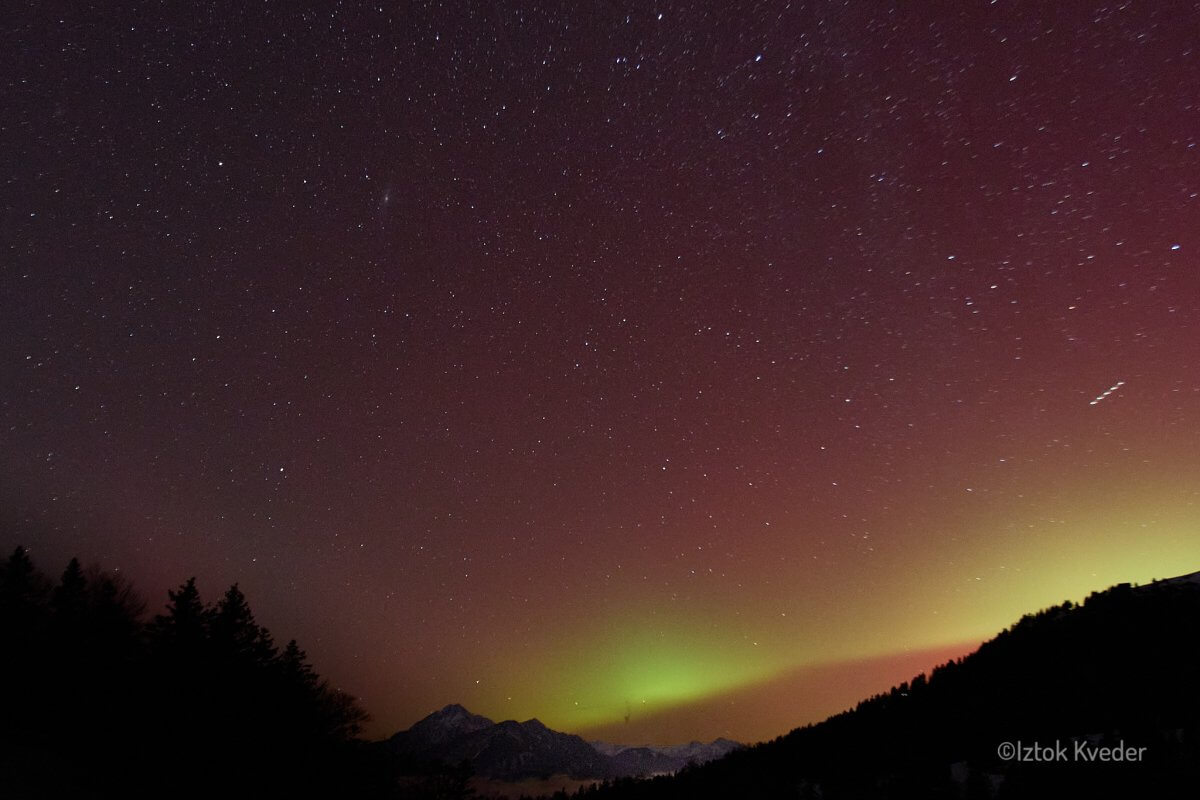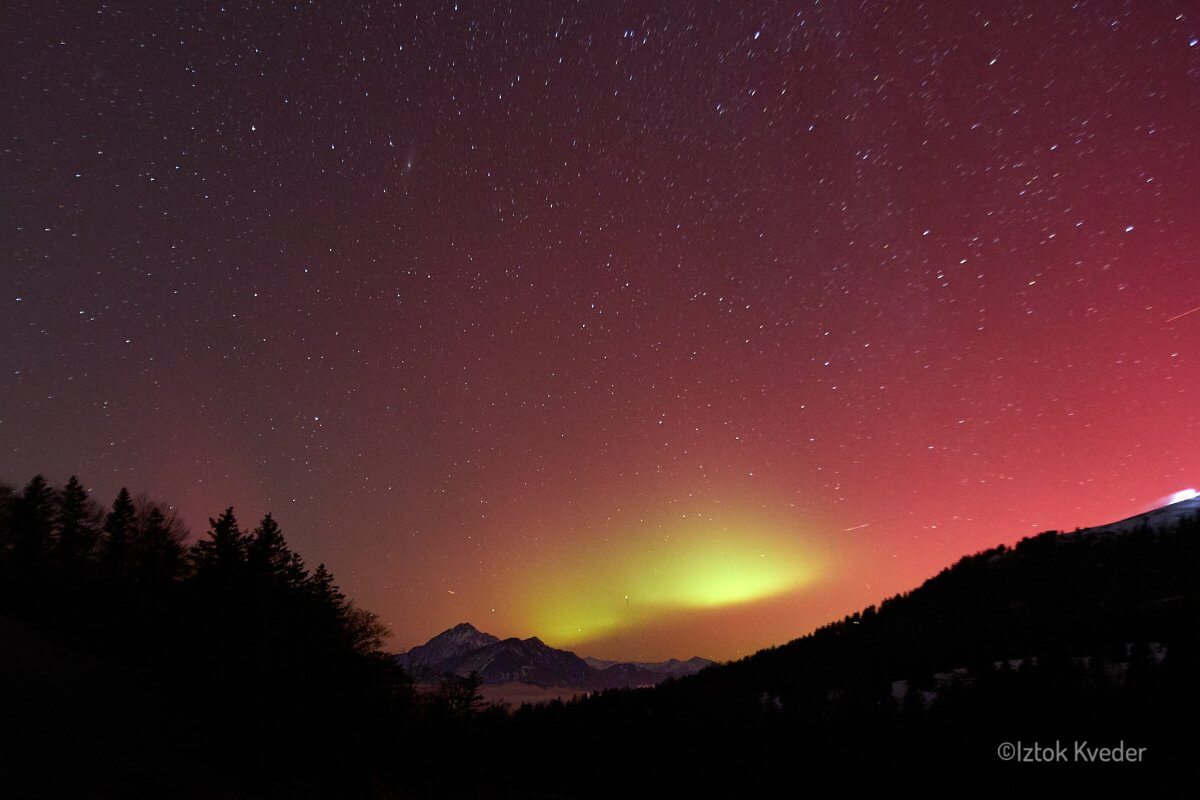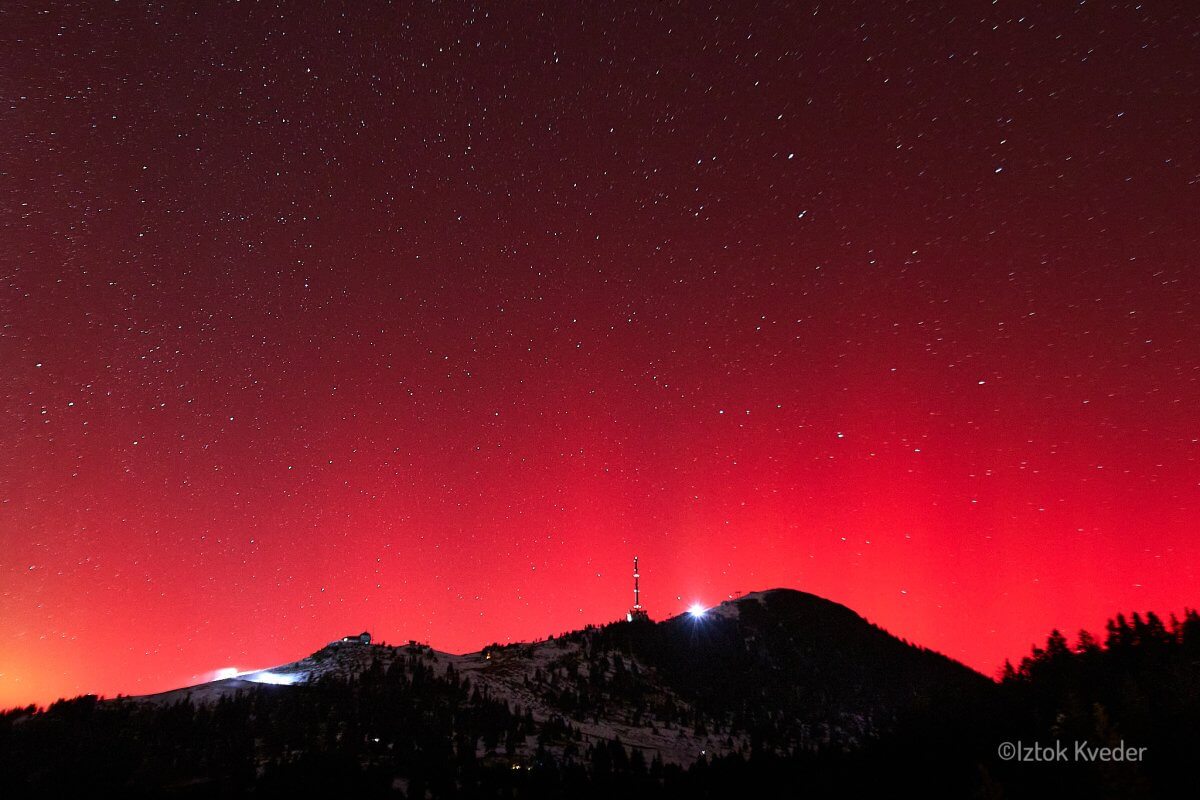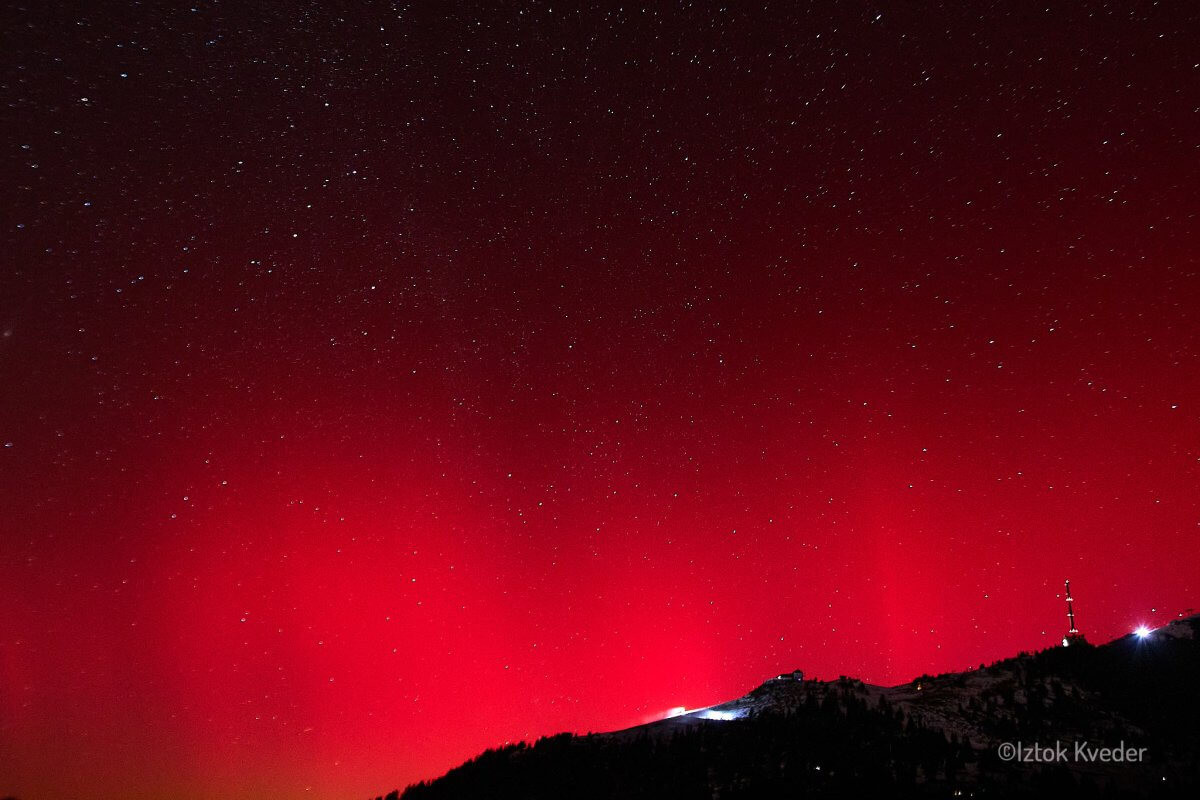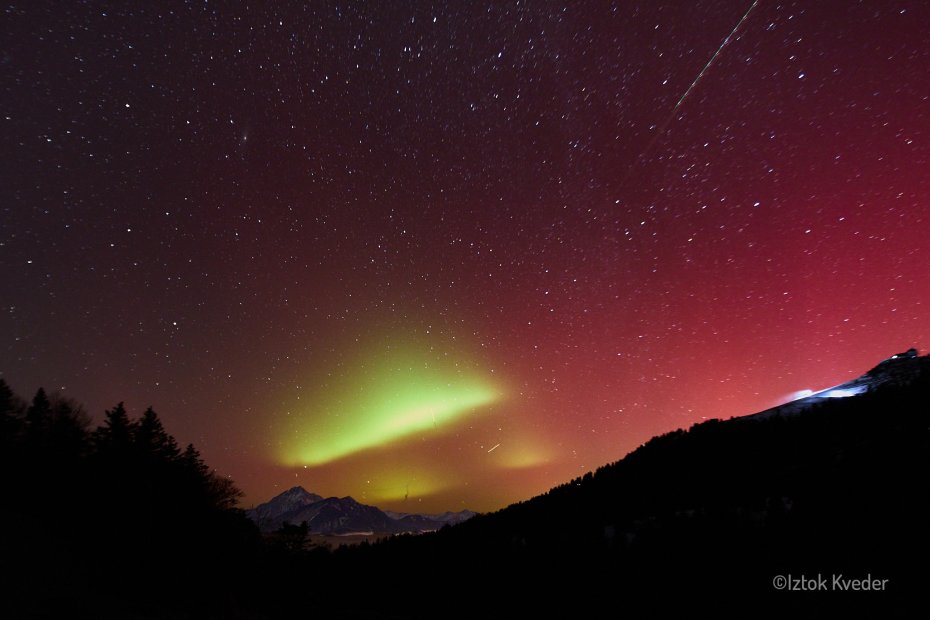
On the night of January 19, 2026, Slovenia experienced one of those rare celestial moments when the aurora borealis dipped far enough south to grace central Europe. Fueled by an exceptionally strong geomagnetic storm—triggered by a powerful coronal mass ejection (CME)—this display allowed even regions far from the Arctic Circle to witness the northern lights in all their surreal beauty. According to NOAA’s storm watch, activity reached levels capable of pushing visibility unusually far south, driven by an X‑class solar flare and intense solar wind streams.

A Night Sky Transformed
You don’t get the chance to see the northern lights every day — let alone photograph them. But last night, nature reminded us of its raw power and boundless beauty. Slovenia, which rarely falls within the auroral oval, was brushed by shimmering waves of green and violet light as a massive G‑level geomagnetic storm swept across the planet. Even space‑weather analysts noted that a full‑halo CME from a colossal X1.9 flare was expected to create one of the strongest auroral events of early 2026. [space.com]
This extraordinary combination of solar activity pushed aurora visibility into regions that almost never see it—Slovenia included—making the night a once‑in‑a‑lifetime experience for many local skywatchers.
A Reminder From Nature
Last night’s aurora wasn’t just a spectacle; it was a quiet message.
Even when we eventually wreck everything and move into Musk’s mole holes on Mars, Earth will still keep creating moments of breathtaking beauty—calmly, patiently, without us.
The aurora borealis is formed when charged solar particles collide with Earth’s magnetic field and atmosphere, releasing light that dances across the sky. During extreme storms, the Kp index can spike high enough for auroras to reach mid‑latitude countries like Slovenia. NOAA and space‑weather forecasts specifically warned that this storm could result in widespread visibility at unusually low latitudes. [cdn.softse…venews.com]
Why This Aurora Was So Special for Slovenia
While Slovenia is not a typical aurora destination, platforms monitoring global auroral conditions, such as AuroraReach, track rare sightings across Europe. Slovenia’s usual KP requirement for visibility is extremely high (around KP9), meaning only the strongest storms have a chance of lighting its skies. [aurorareach.com]
The January 19 storm met exactly those conditions—making it a true astronomical event for the region.
Final Thoughts
Nights like these remind us why we look up.
Why we chase beauty.
Why, despite everything humans build, break, or abandon… Earth continues to create wonders that outshine us all.
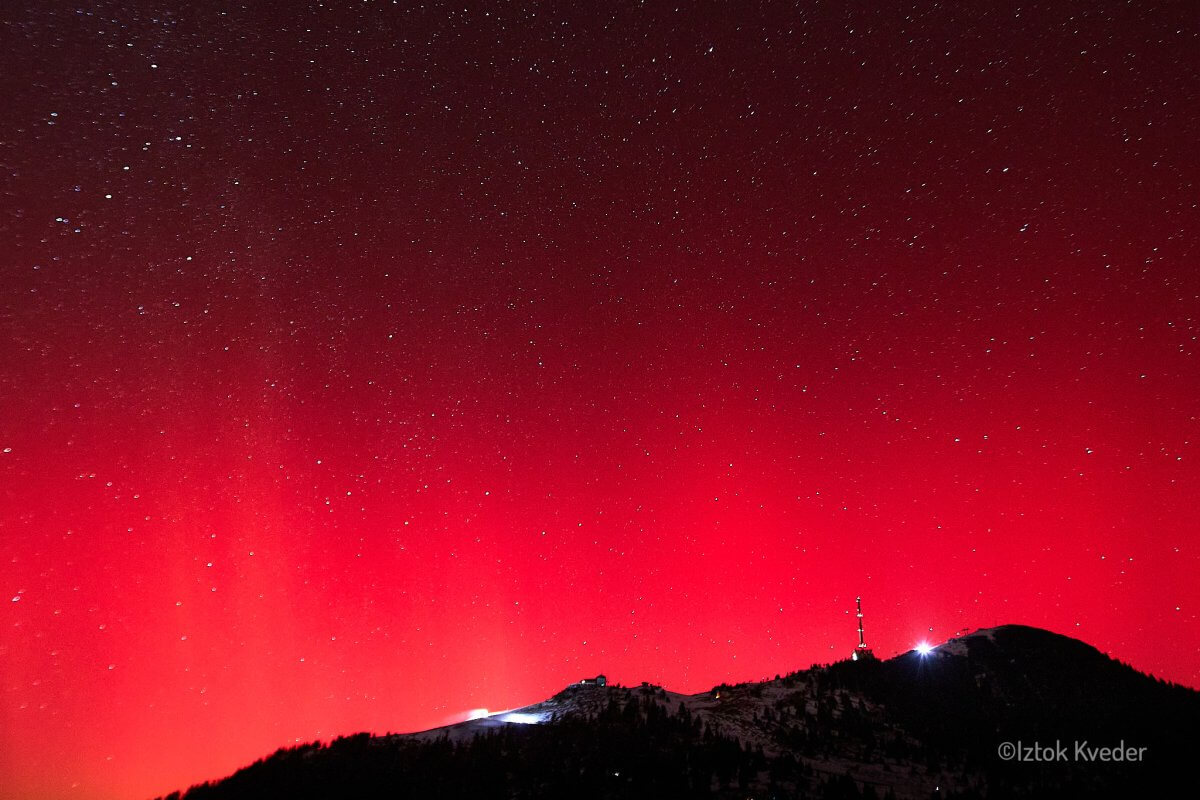
If you captured the aurora from Slovenia last night, treasure those photos — they are part of a truly rare moment in our country’s sky‑watching history.