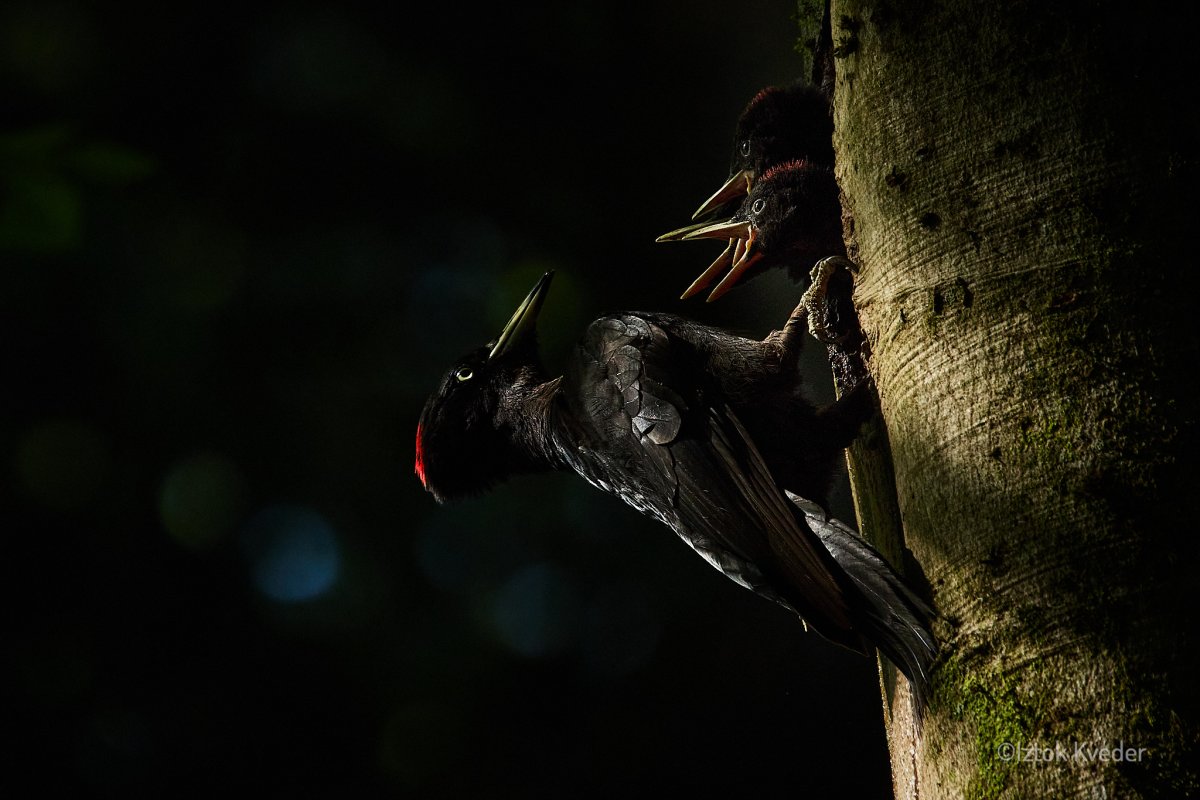
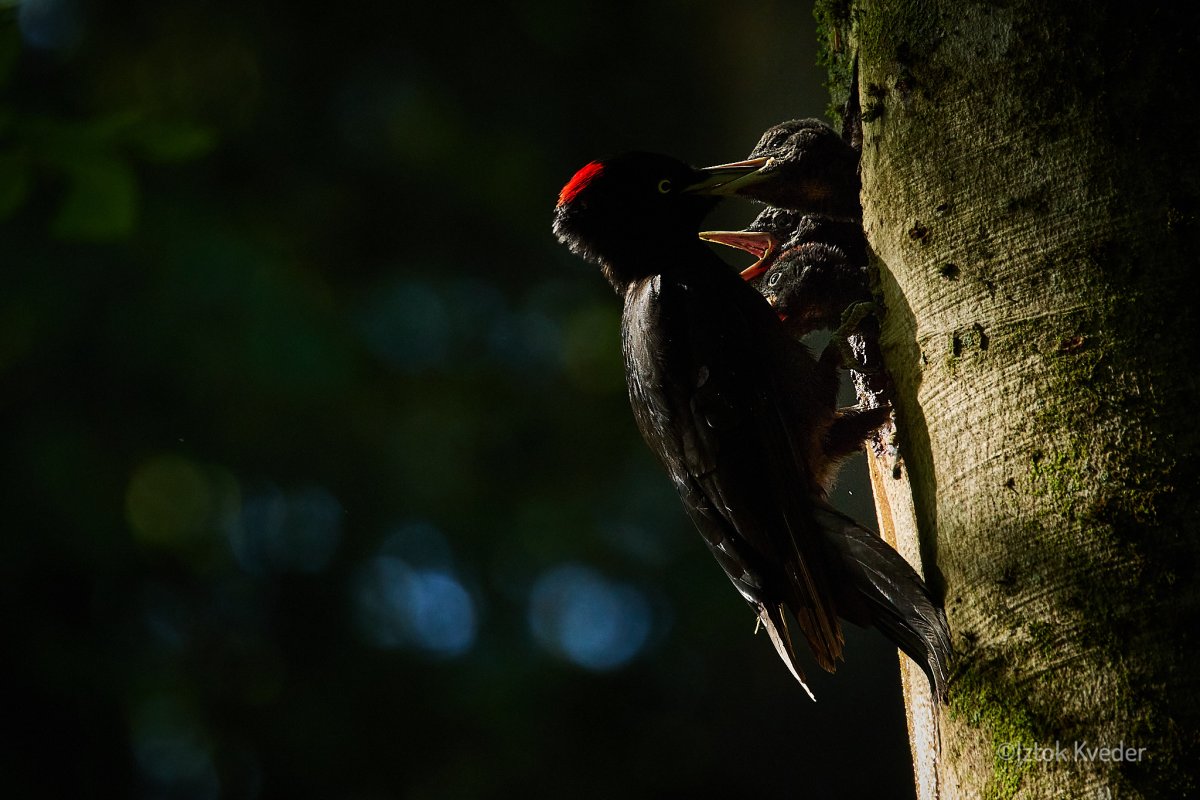
Black Woodpecker Nesting Behavior – A Rare Opportunity for Ethical Wildlife Photography
Documenting Dryocopus martius in its natural forest habitat
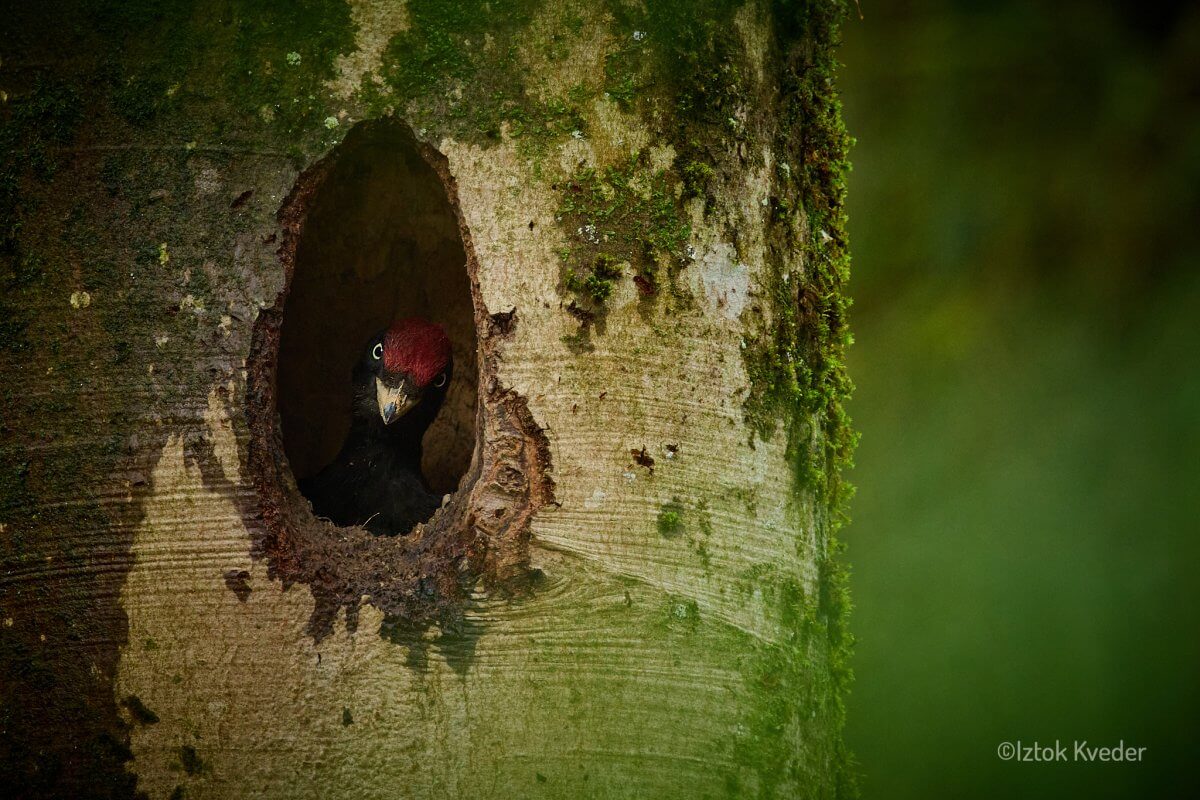
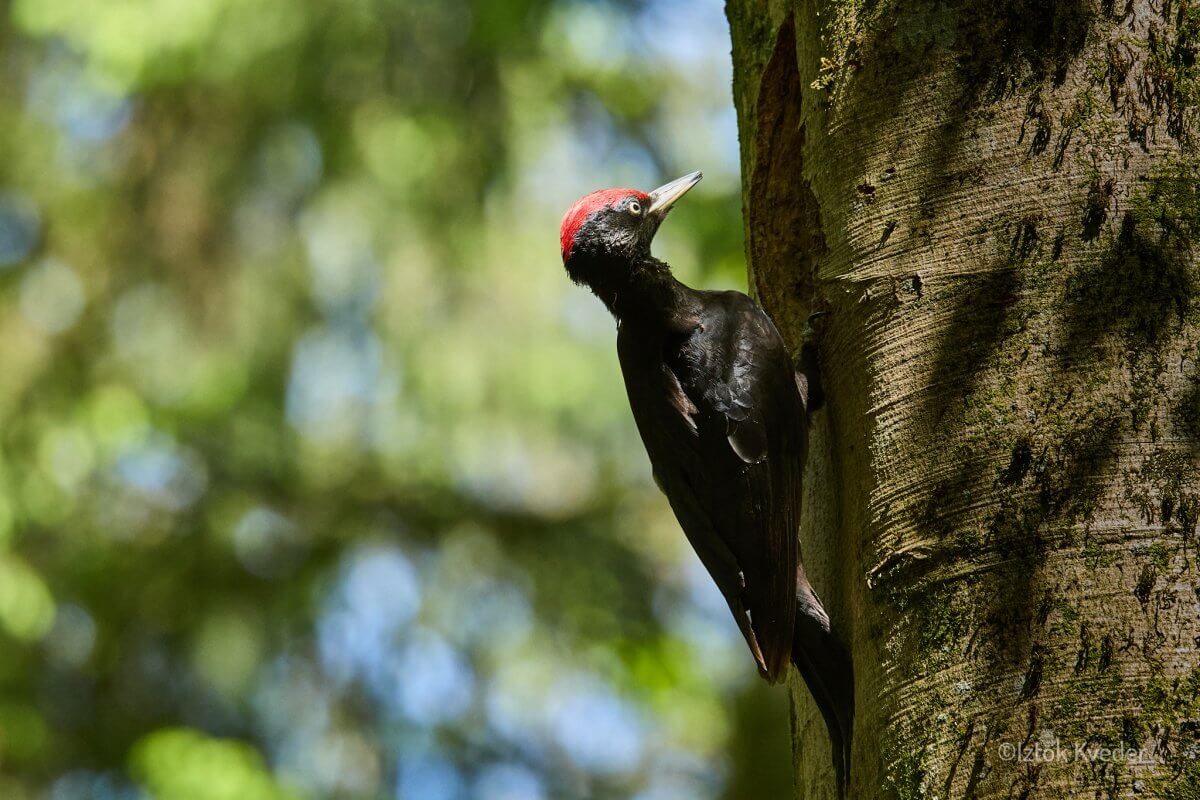
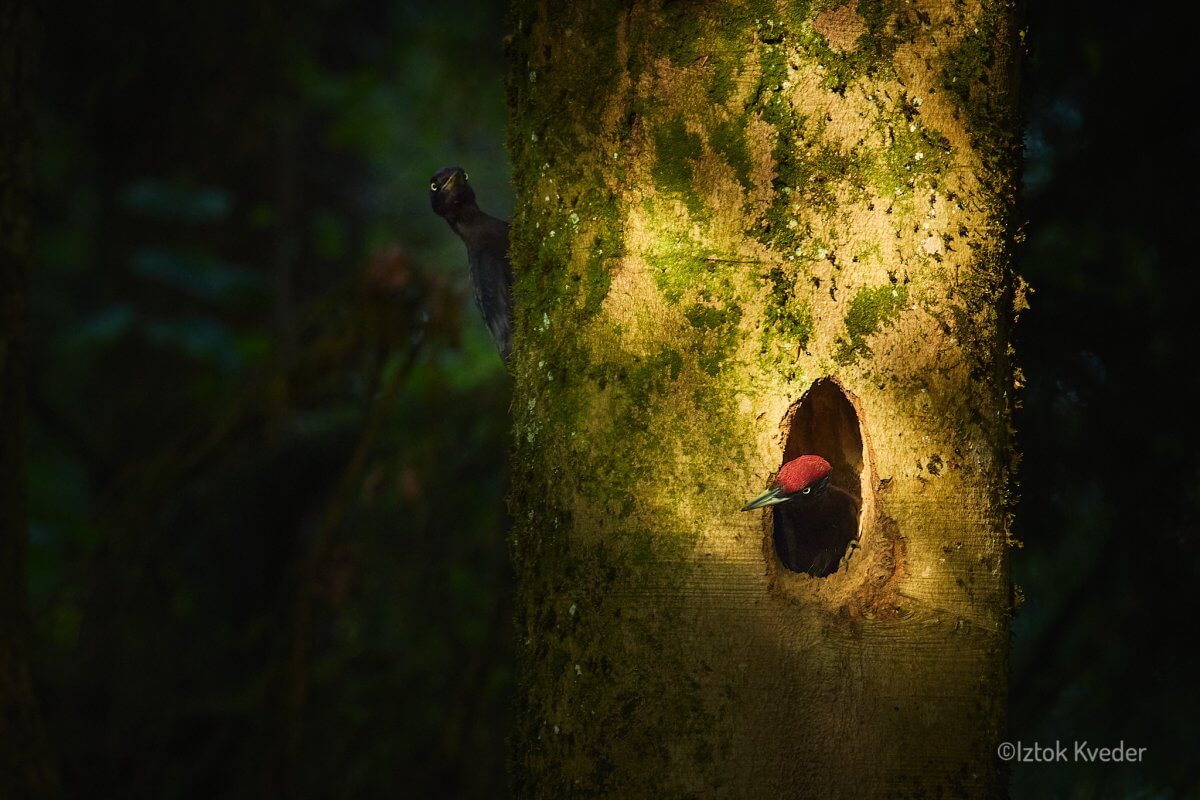
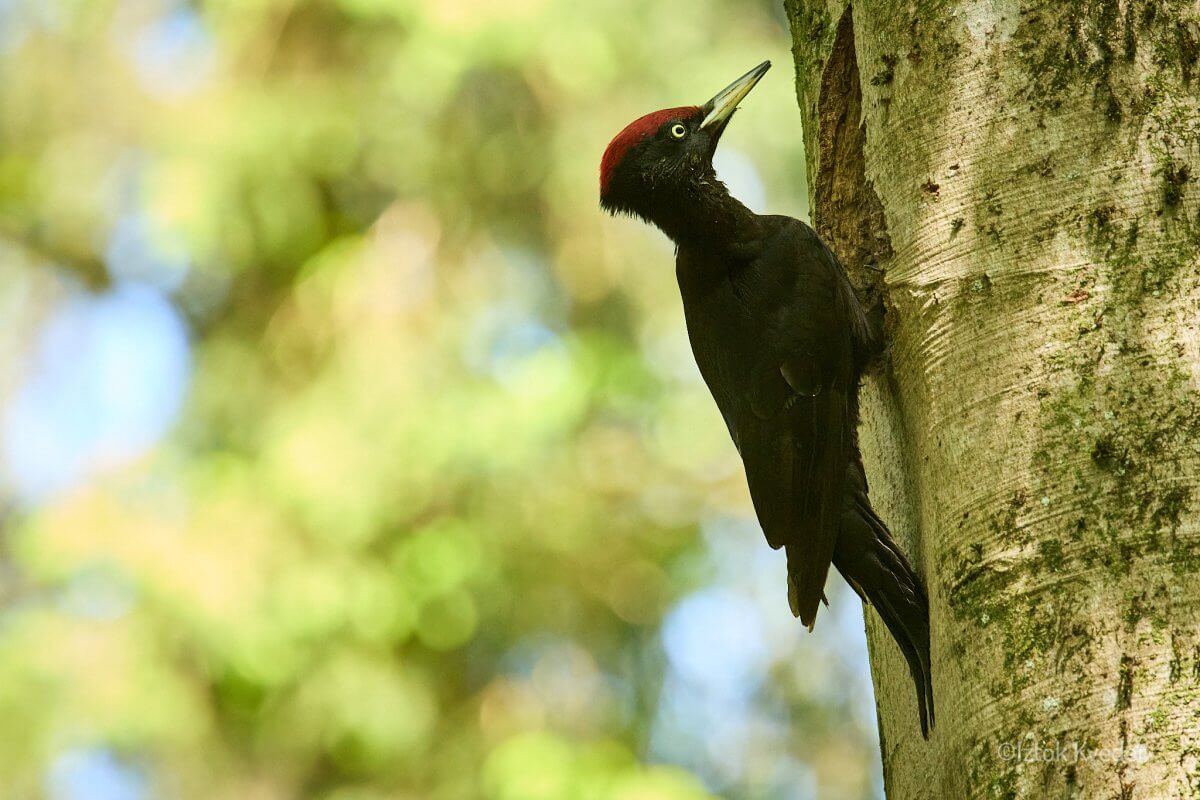
The Black Woodpecker (Dryocopus martius), the largest woodpecker species in Europe, typically nests in mature, undisturbed forests rich in dead standing trees. These birds excavate deep, oval-shaped cavities high up in trunks—usually in beech or spruce—during early spring, with both male and female alternating in the labor-intensive process that can last several weeks. In this particular case, the entrance hole was unusually oriented toward the south, whereas northern or eastern exposures are more common to avoid overheating from direct sunlight.
For nature photographers, such a find presents a rare and rewarding opportunity—but also a profound ethical responsibility. Photographing nesting behavior requires strict care: using remote triggers or blinds, keeping a respectful distance, and watching closely for signs of stress in the adult birds. The female typically lays 3 to 5 eggs, and the chicks fledge after around four weeks of intensive feeding by both parents.
Importantly, the cavity—often used only once by the Black Woodpecker—remains as valuable real estate for many other forest species, including owls, tits, martens, and bats. These secondary cavity users benefit directly from the woodpecker’s powerful excavation work, making this species a true keystone in forest biodiversity.